April 29, 2009
Airplane related Deep vein thrombosis
Quick, what is the the fifth leading cause of death in the United States? Heart problems? Liver failure? Cancer?
You probably won't believe me when I tell you it is flying in airplanes. Deep Vein Thrombosis in air travelers is far more frequent than most of us know. Deep vein thrombosis (DVT) is a dangerous condition where lack of movement can cause clots to form in the veins of the legs. If the clot breaks off and travels to the heart or lungs, it is often lethal. In 2001 "The Lancet" published an analysis estimating that 1 million cases of DVT related to air travel occur in the US every year and that 100,000 of these cases result in death (Lancet, September 8, 2001, p. 838).
According to a study in the New England Journal of Medicine, the risk increases with distance traveled. LINK The risk can be sharply reduced on long haul flights by wearing compression stockings. However many people wear them incorrectly LINK. It seems the thigh-high stockings may be more uncomfortable than the knee-length ones, so perhaps try the knee-length ones first. They seem to be just as effective.
Researchers in the Netherlands (LINK) found that siting in the window seat raises the risk of DVT, by 200% compared to the aisle seat or middle seat. This study found that compression stockings did NOT prevent DVT, which stands out from other results.
Although age is a risk factor, young, athletic people are not free from risk, in fact DVT may be one of the most important causes of death in the 20-44 year age bracket, according to airhealth.org. And althought DVT is often called "Economy Class Syndrome," Business-class and First Class passengers are also at risk, unless they keep moving or wear compression stockings [International Travel News 30.1 (March 2005): p96(2)]
More information
- Deep Vein Thrombosis in Air Travellers, by Maurice McKeown, BDS, PhD
- Severe Pulmonary Embolism Associated with Air Travel, Frederic Lapostolle, M.D. et al. New England Journal of Medicine
- Incidence, clinical characteristics, and long-term prognosis of travel-associated pulmonary embolism. Lehmann, Ralf, et. al. European Heart Journal
- LINK
- Sitting in a window seat on a plane 'raises risk of DVT'." PTI - The Press Trust of India Ltd. (Jan 27, 2009): NA. General OneFile. Gale. University of Michigan - Ann Arbor. 20 June 2009
- Frequency and prevention of symptomless deep-vein thrombosis in long-haul flights: a randomised trial. [ doi:10.1016/S0140-6736(00)04645-6 ] Lancet, September 8, 2001, p. 838
- Letter from the editor: Thromboembolic disease related to air travel: What you need to know [ doi:10.1053/j.ro.2004.07.001] Seminars in Roentgenology.Volume 40, Issue 1, January 2005, Pages 1-2
Imaging of Embolic Disease
- AirHealth.org
April 28, 2009
Papers! iTunes for your PDF's
If you do a lot of research, like me, you may have a desktop full of PDF's all named with such informative filenames as "c_dat09.pdf." I spent a lot of time futilely trying to organize them along with their notes and citations, so it was a revelation to come across the application Papers.
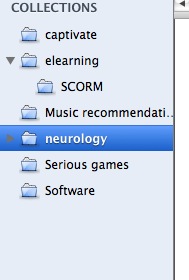
Papers, a desktop repository application for PDF's will completely sort your messy PDF collection out. Like iTunes, you can make playlist-like collections by topic or whatever you want, including smart collections based on keywords or other metadata.
Unlike iTunes, you can nest collections into hierarchies. And of course you can store your own notes with each paper
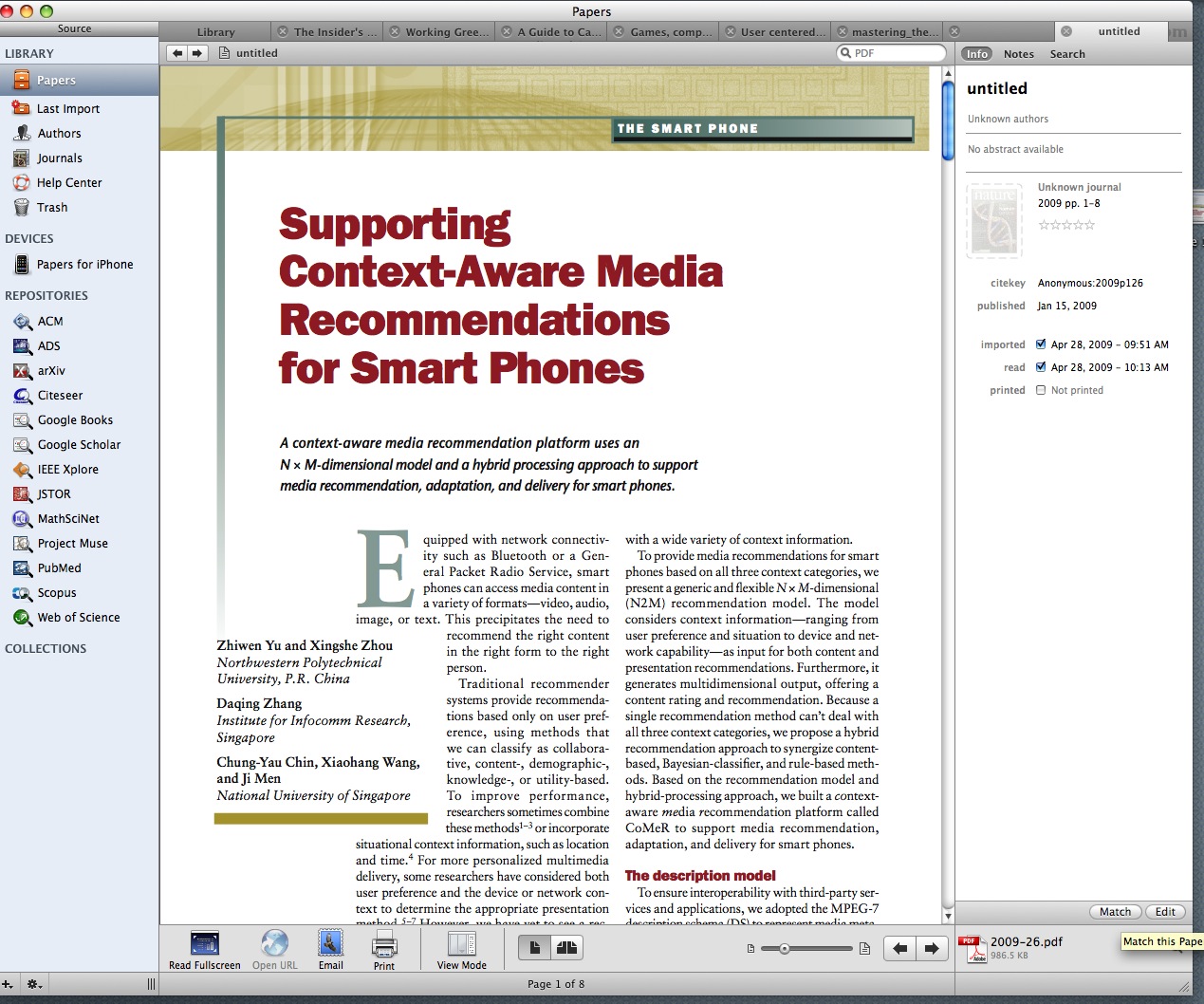
Viewing PDFs with Papers is a huge improvement over acrobat reader. You can view them within the papers interface, or click the full-screen button for a beautiful reading experience.
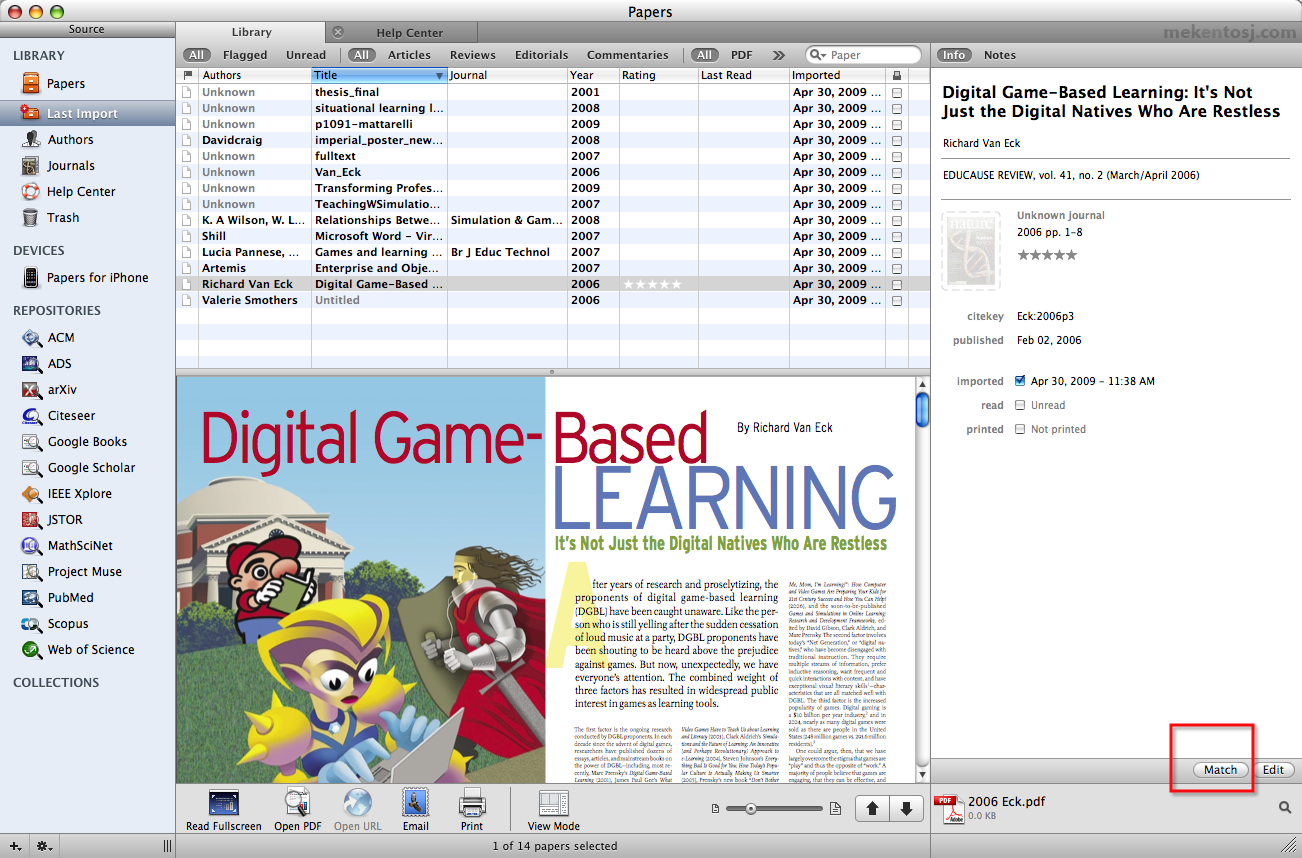
How about citations? Papers doesn't completely replace something like EndNote, at least yet. You can export selected (or all) citations to EndNote, or email the references, but it's not really a tool for outputting formatted bibliographies. In the FAQ they mention that more reference functions will be added to in the future. However Papers does a great job of finding the right metadata for each item. This is still a partially manual process but it's very easy. Simply select an article in the list and click "Match". The front page of the PDF will show up and you select the title or an author or even the abstract. Papers searches Google Scholar, Arxiv, PubMed, etc. to find the correct reference.
Once you've chosen the right one, Papers adds in all the correct metadata to your pdf. There is no universal GraceNote database for scholarly works yet, but there are a lot of online databases that Papers uses to help you get the correct citation information for each paper.
In the image below you can see the out-of-the-box article repositories Papers uses to find citations in. You can of course add your own.

Best of all, there is an iPhone app for Papers, so you can sync your library to your iPhone and take it with you. It comes with an iPhone friendly PDF reader, as does the desktop application.
Papers is available from Mekentosj.com
Not Receiving Sound Error in Powerpoint
With some microphones, particularly Plantronics USB headset mic's, you may get an error when you try to set the Microphone Level in Powerpoint.
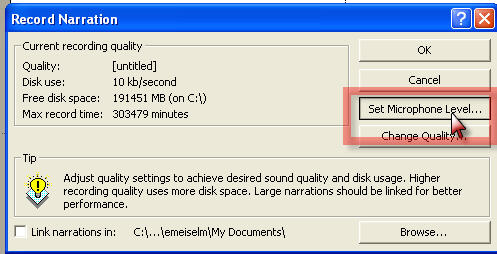
"Powerpoint is not receiving sound from the microphone. Try one of the following ...."
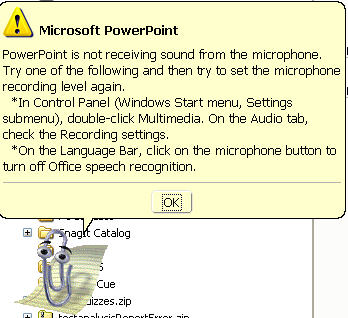
This error can occur even if all your settings in the Sound Control Panel are correct. Just hit OK, and don't try to calibrate your volume through this interface.
You can almost completely ignore this bug, except that you will have to find another way to set your volume. You can do it by trial and error using the Sound Control panel which has no meter to watch, or through a recording utility like "Audacity" (free download) or if you have Adobe Presenter installed, you can use that instead.
Review of "Times" RSS reader application for Macs
I took a chance a few weeks ago and purchased the "MacHeist" bundle, mainly because I wanted the PhoneView application that lets you get at your iPhone images and music directly, and the cost is very low for all those applications.
MacHeist III is a bundle of 15 little utilities and applications for the Mac, many of which are surprisingly useful and well-written. One of the nicest surprises was an app called "Times". Times is just a lowly RSS reader, but it does RSS with more style and readability than anything else I've seen yet.
(Click images to see larger view)
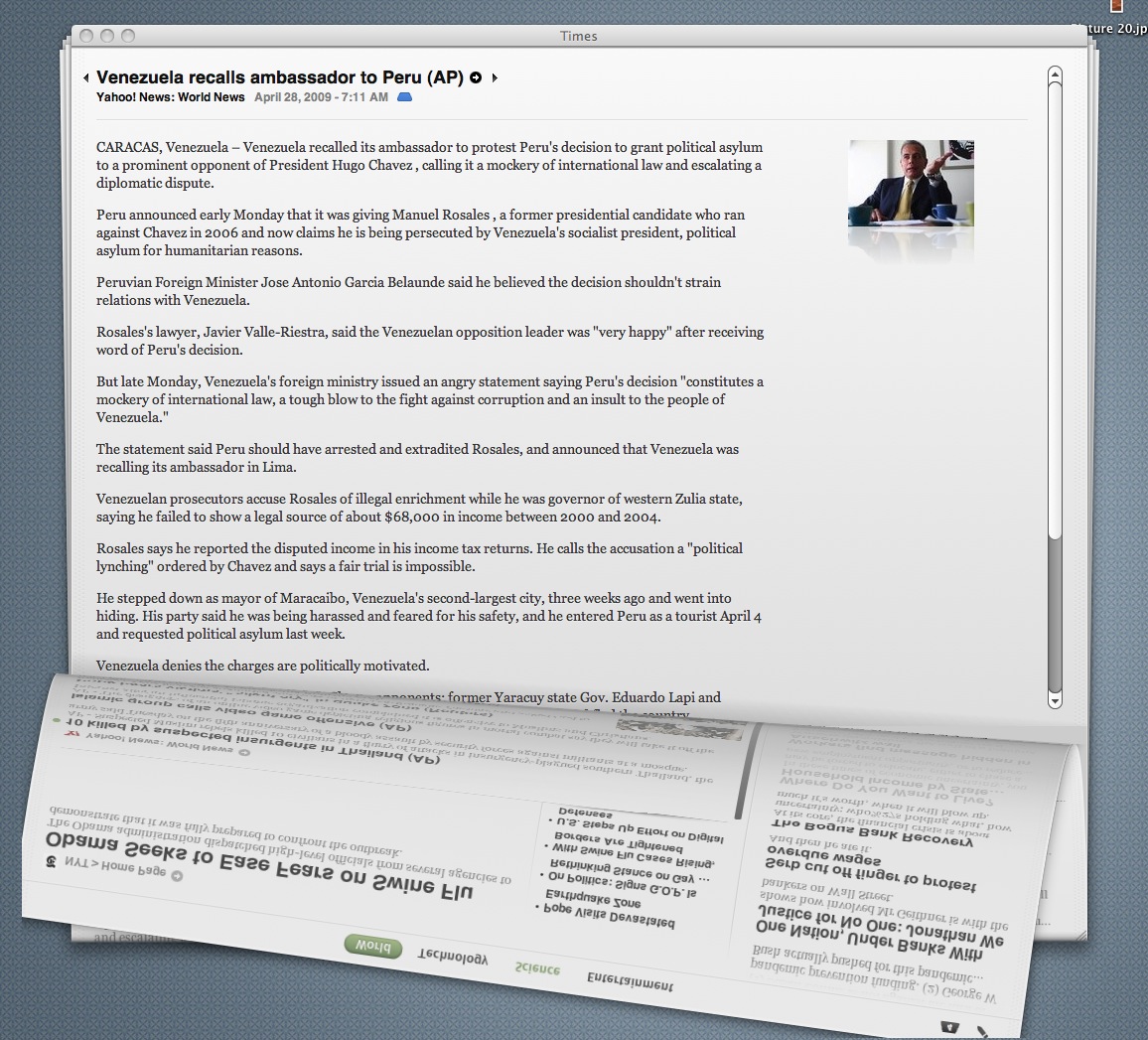
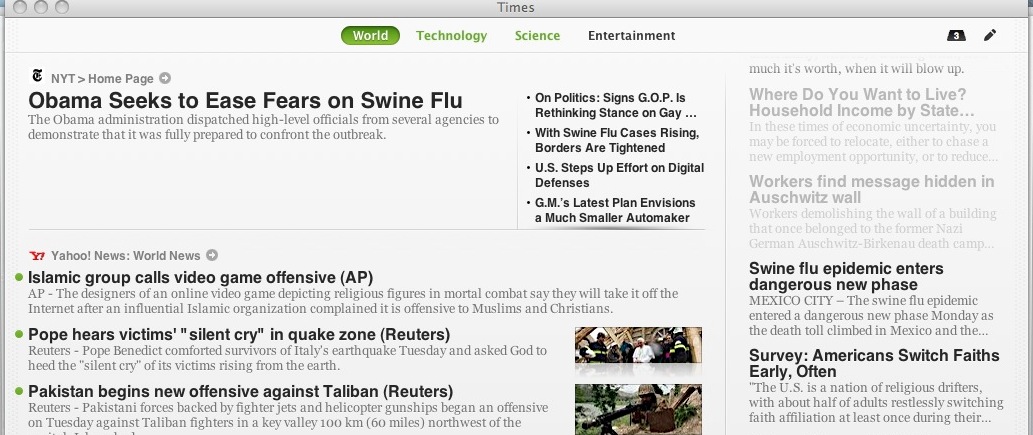
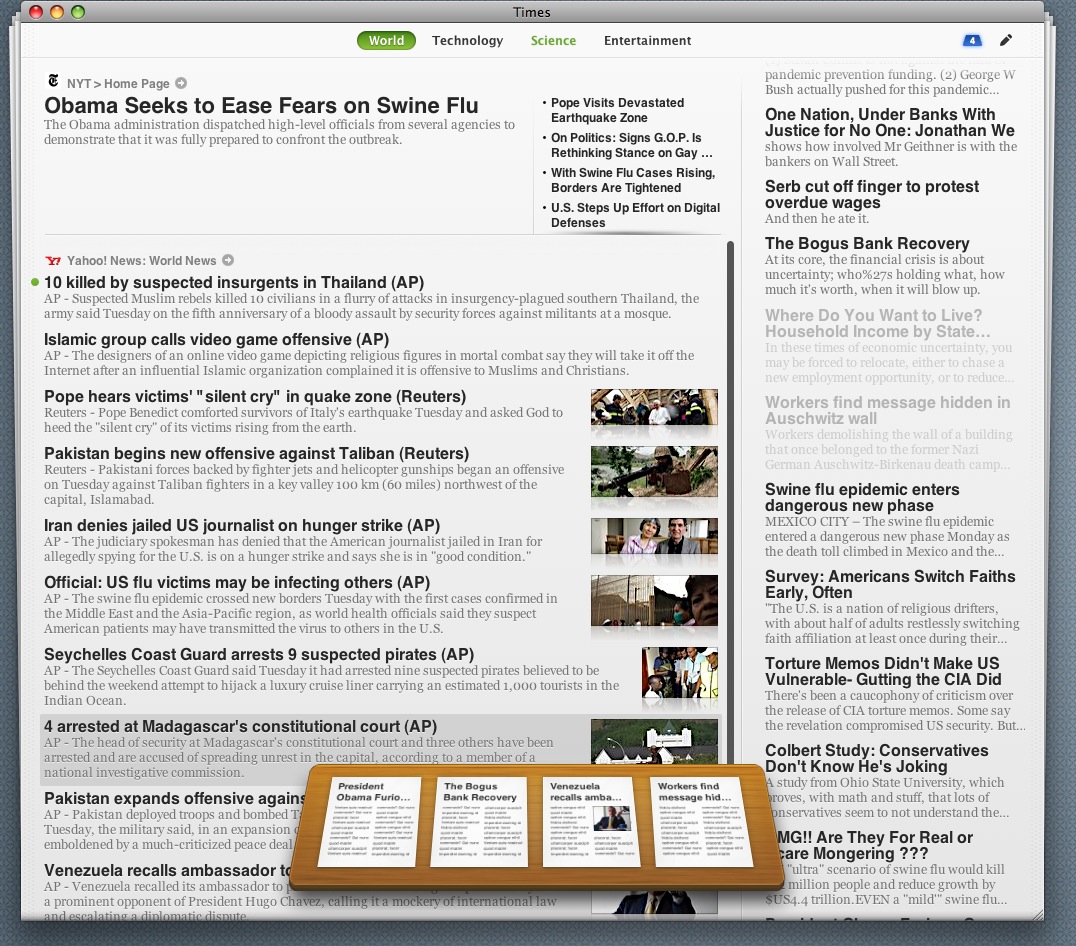
Using the metaphor of a folded newspaper, Times allows you to select and arrange newsfeeds into columns in the paper. The layout is beautiful, it's easy to read, easy to navigate, and the little article shelf is cute!
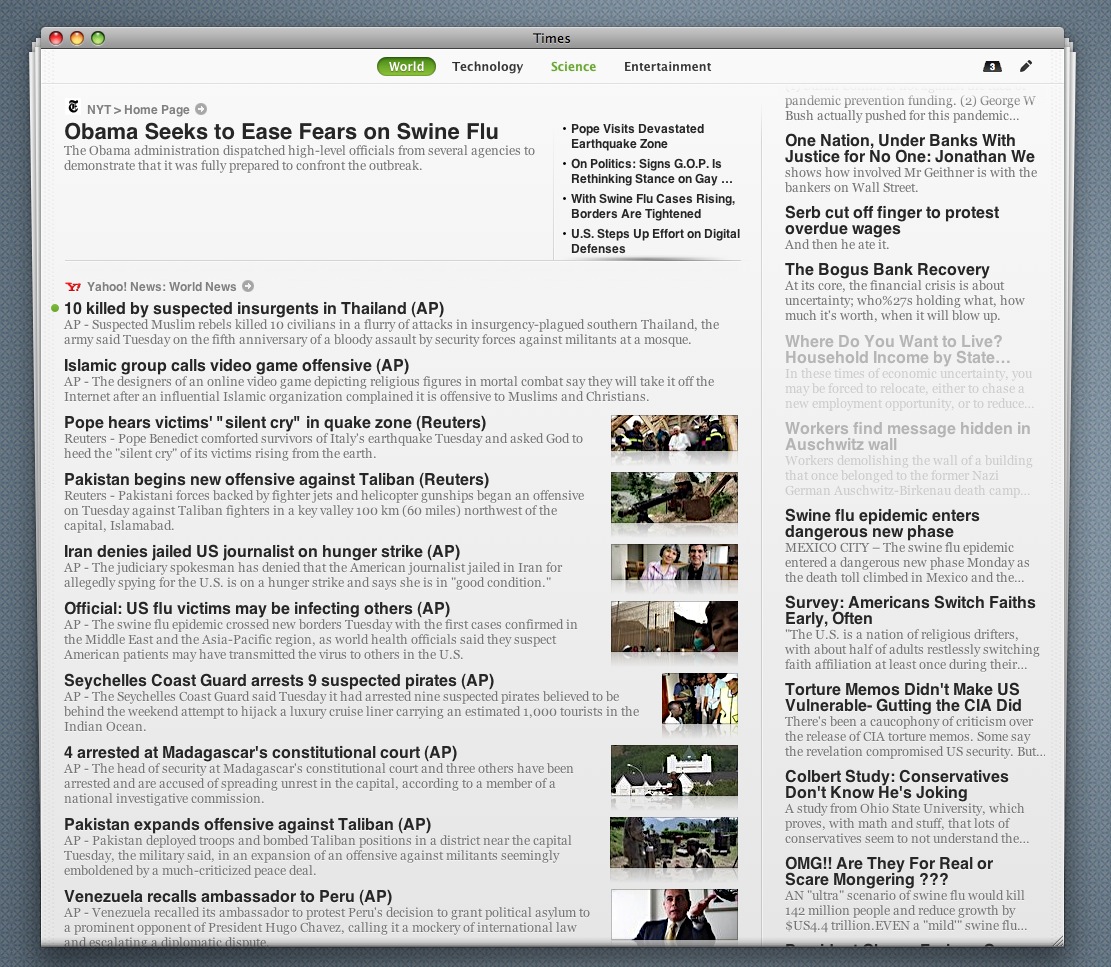
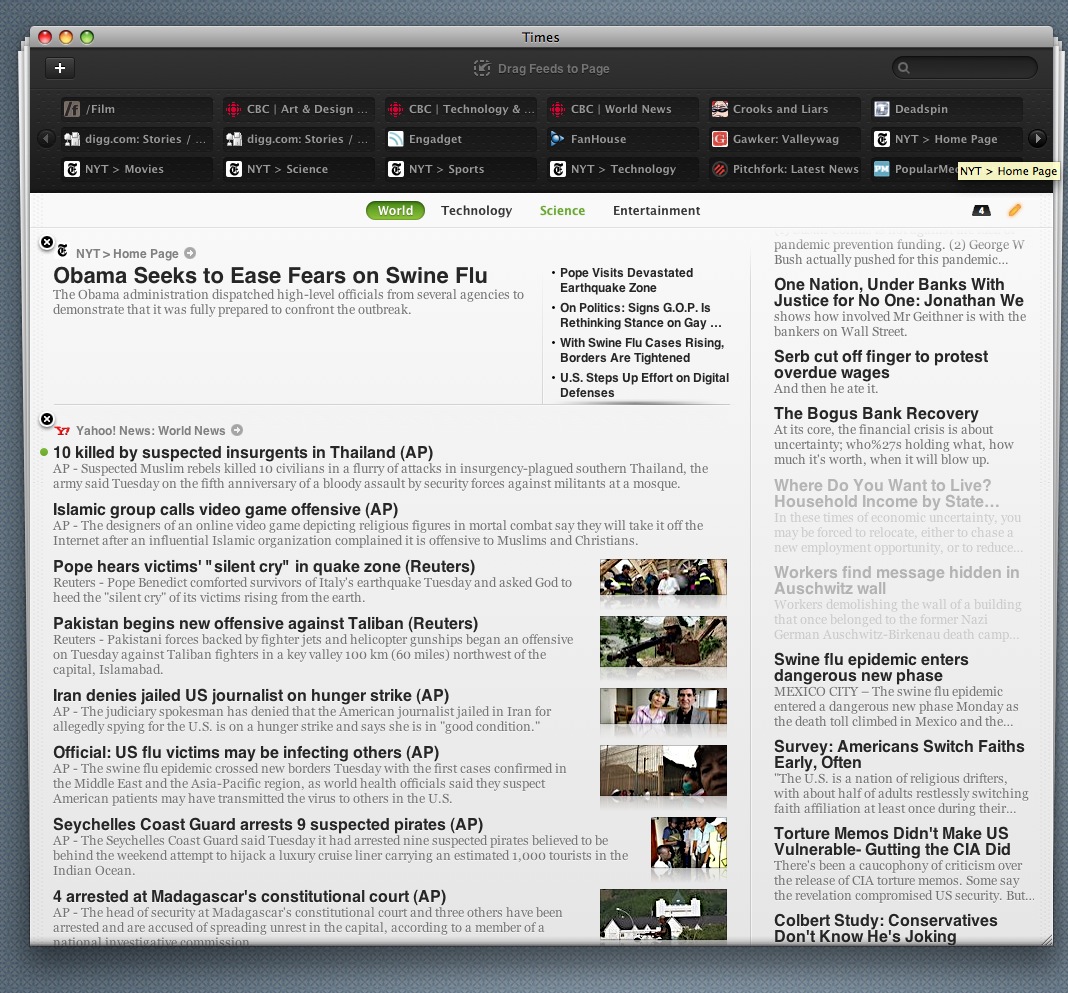
Here's the screen you see when you launch. Clicking on the tabs brings up the other pages of the "paper".
Click on any story and the page flops down to reveal the entire story formatted consistently, and without the ads!
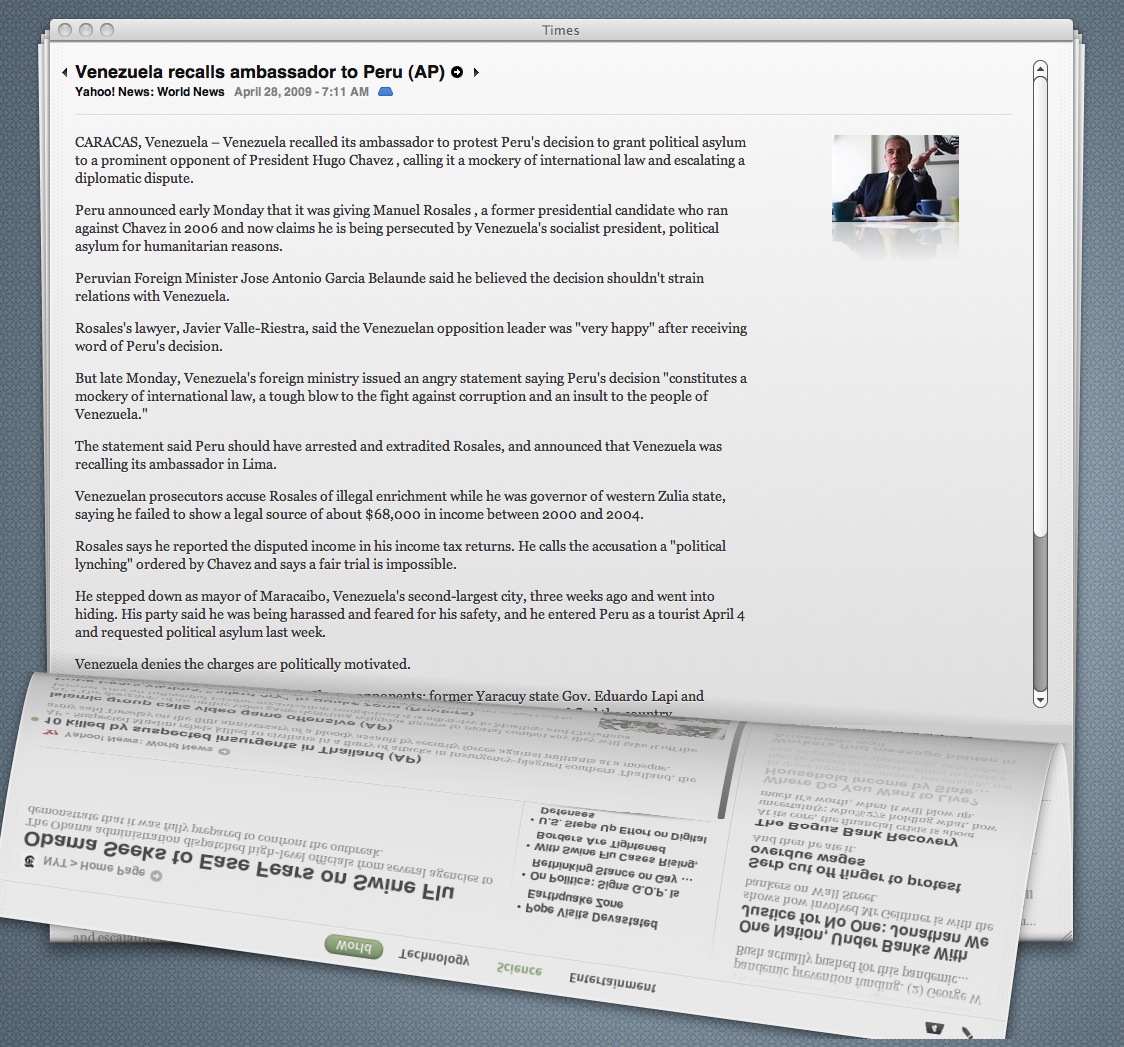
Click the pencil to add feeds. There are lots of them already available and you can add your own. Drag feeds anywhere on the page to add them to a column.
Drag articles of interest onto this little shelf.
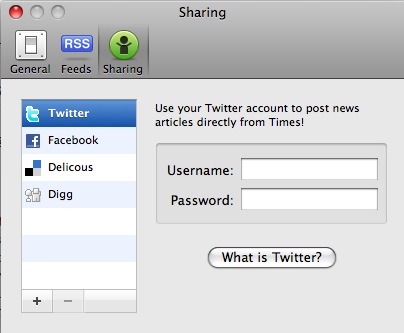
Share articles with Twitter, Facebook, Delicious and Digg.
The MacHeist III bundle is no longer available (a new one will be, eventually) but you can purchase Times direct from Acrylic software: Acrylic Software
April 6, 2009
Virtual tour: Interesting places to visit in Google Earth
To use the KML files, right click the "Download KML file" link and select "Save Target As". Windows may try to add an "XML" extension onto the end of the file name. Change the extension back to "KML" if it does.
You must have Google Earth installed to use these files. Double click the KML file and it should open in Google Earth to the correct spot.
St. Peters, Rome

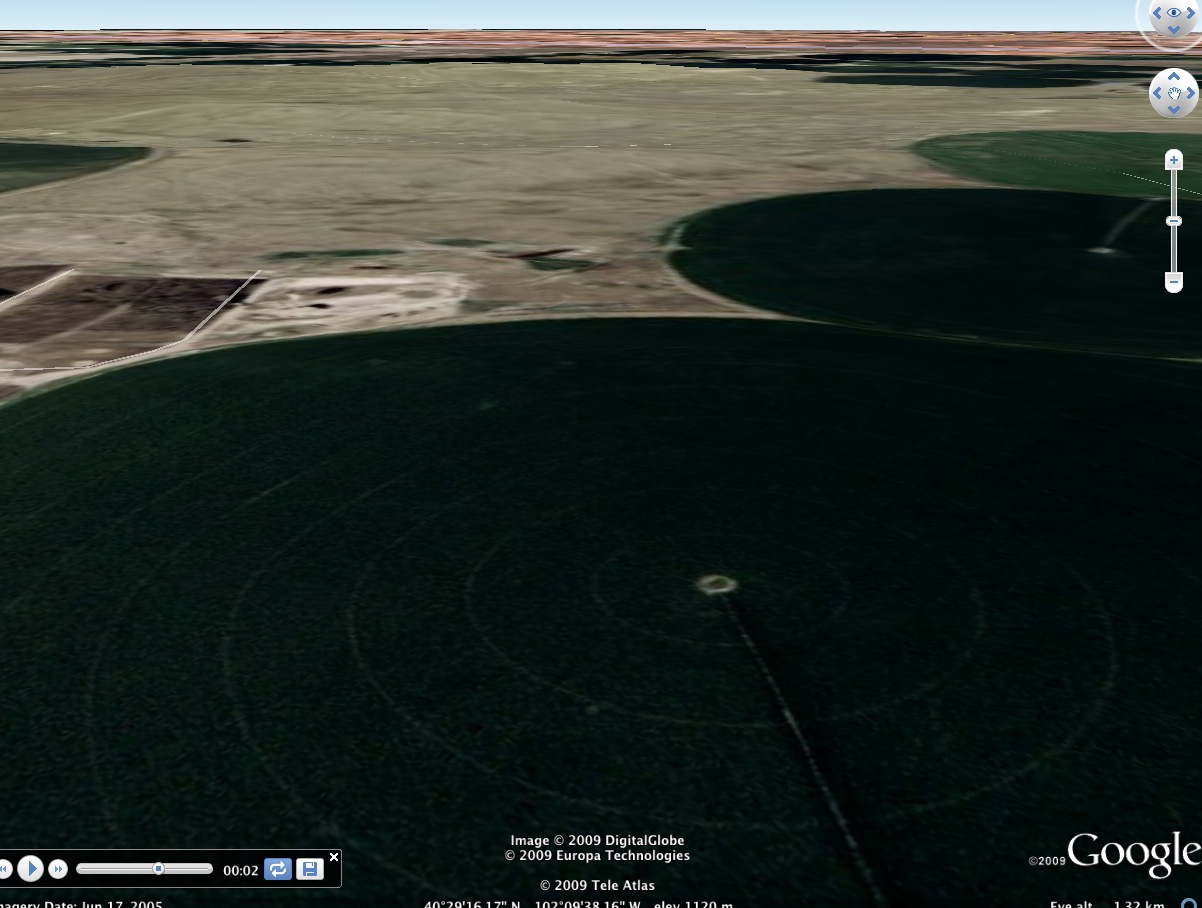
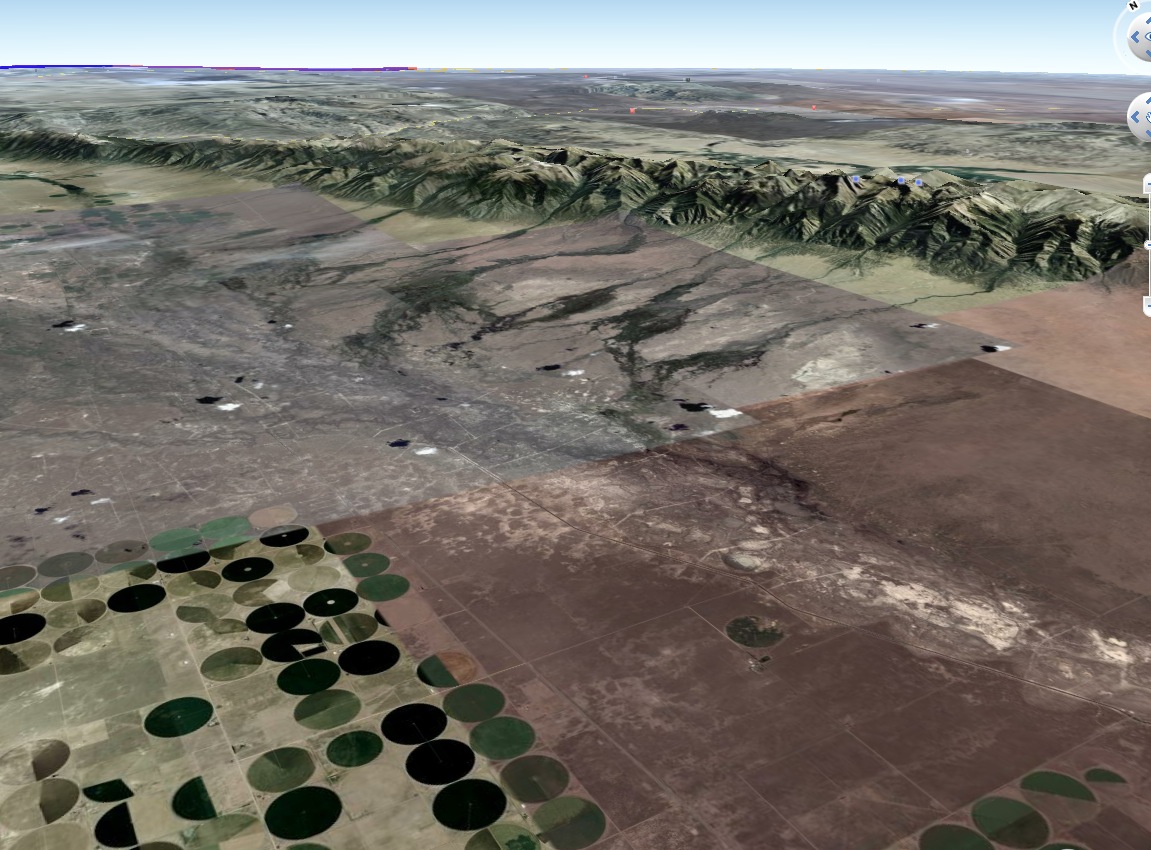
The real Crop Circles: Irrigated fields in Northern Colorado
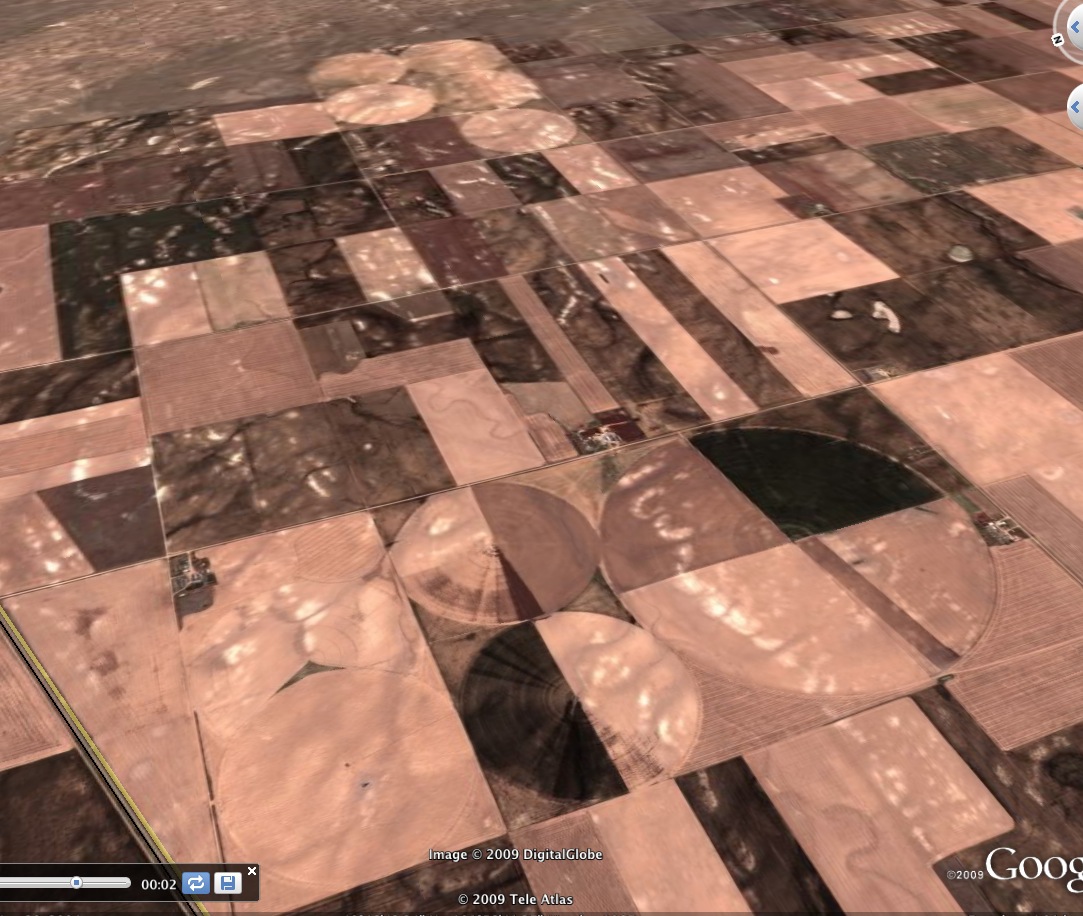 <
<
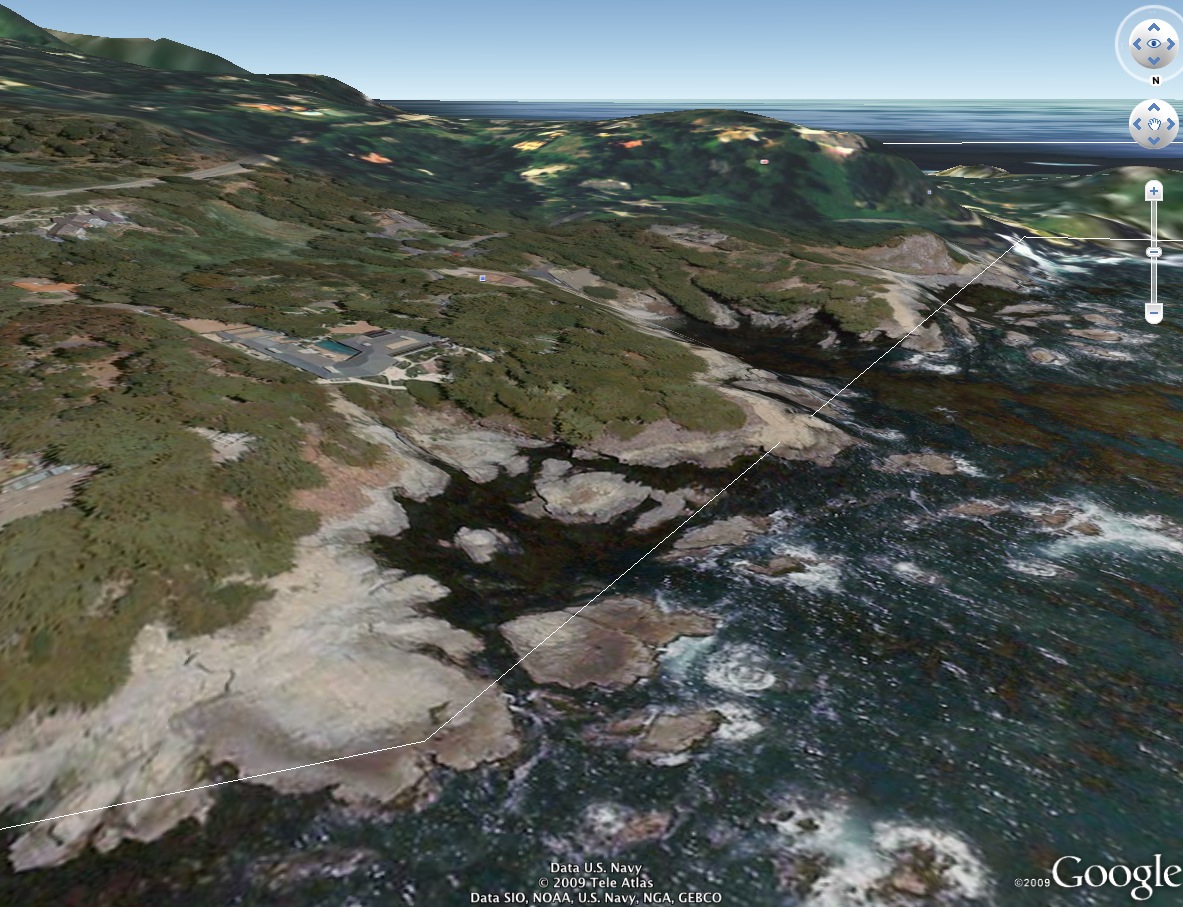
Carmel by the Sea
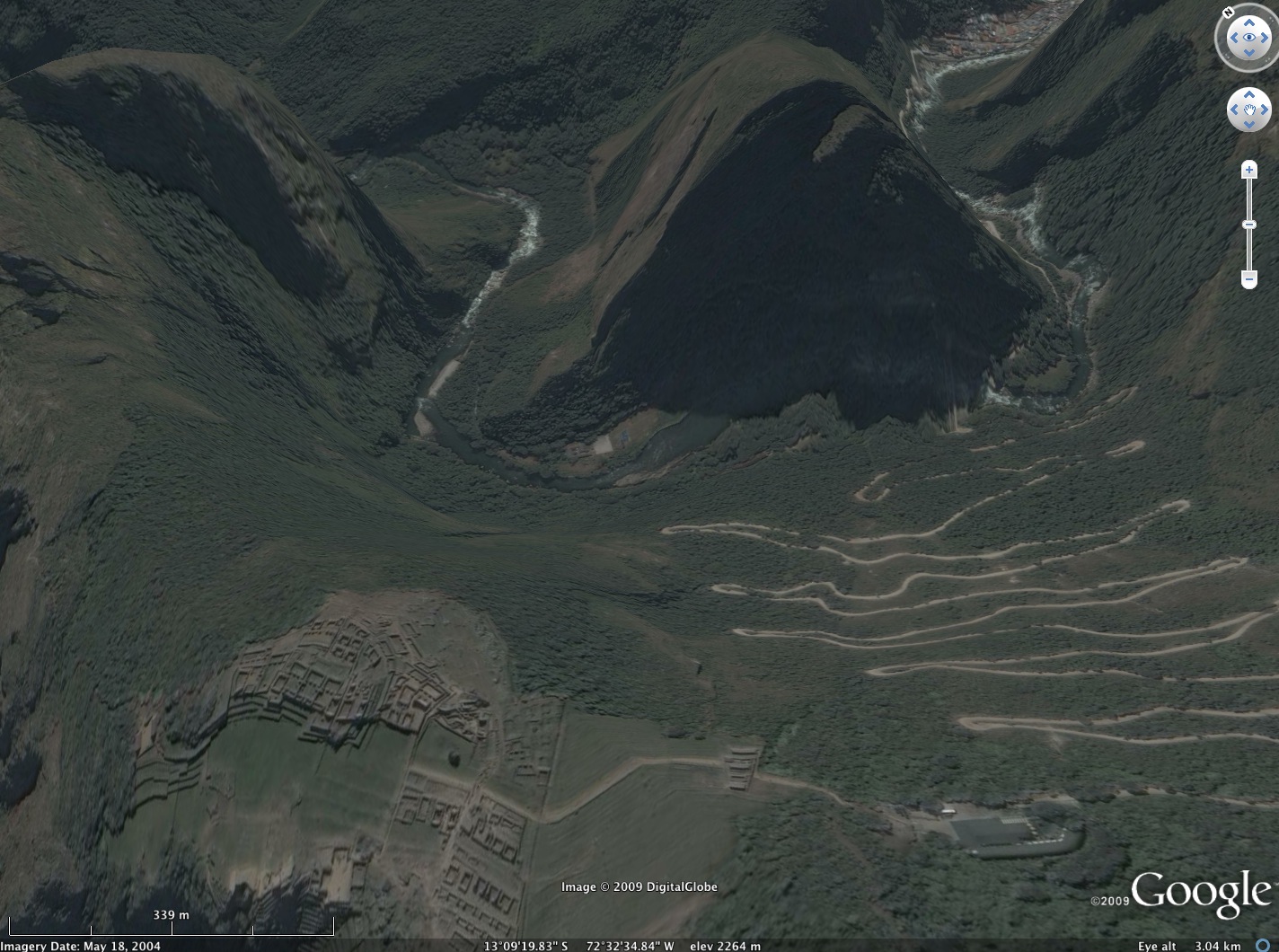
Macchu Picchu, Peru
Download KML file
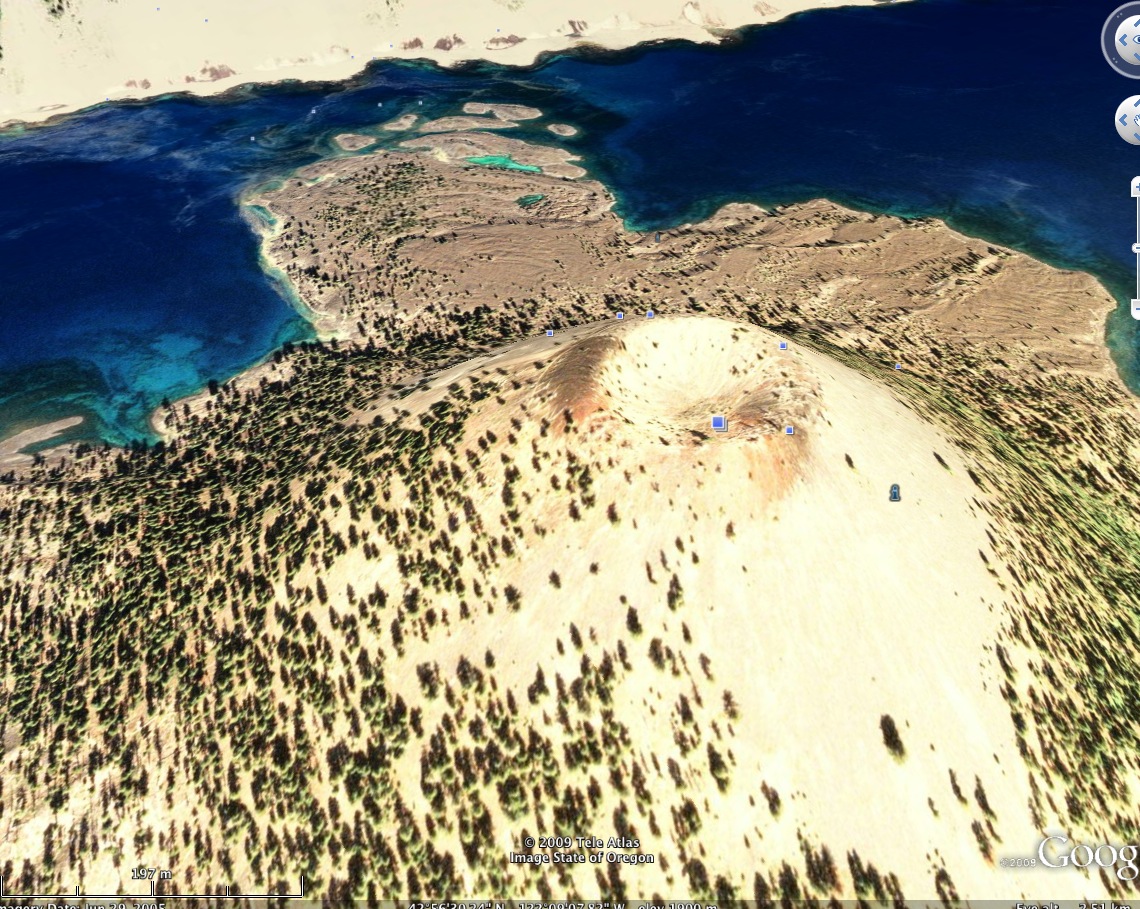
Wizard Island in the middle of Crater Lake, Oregon
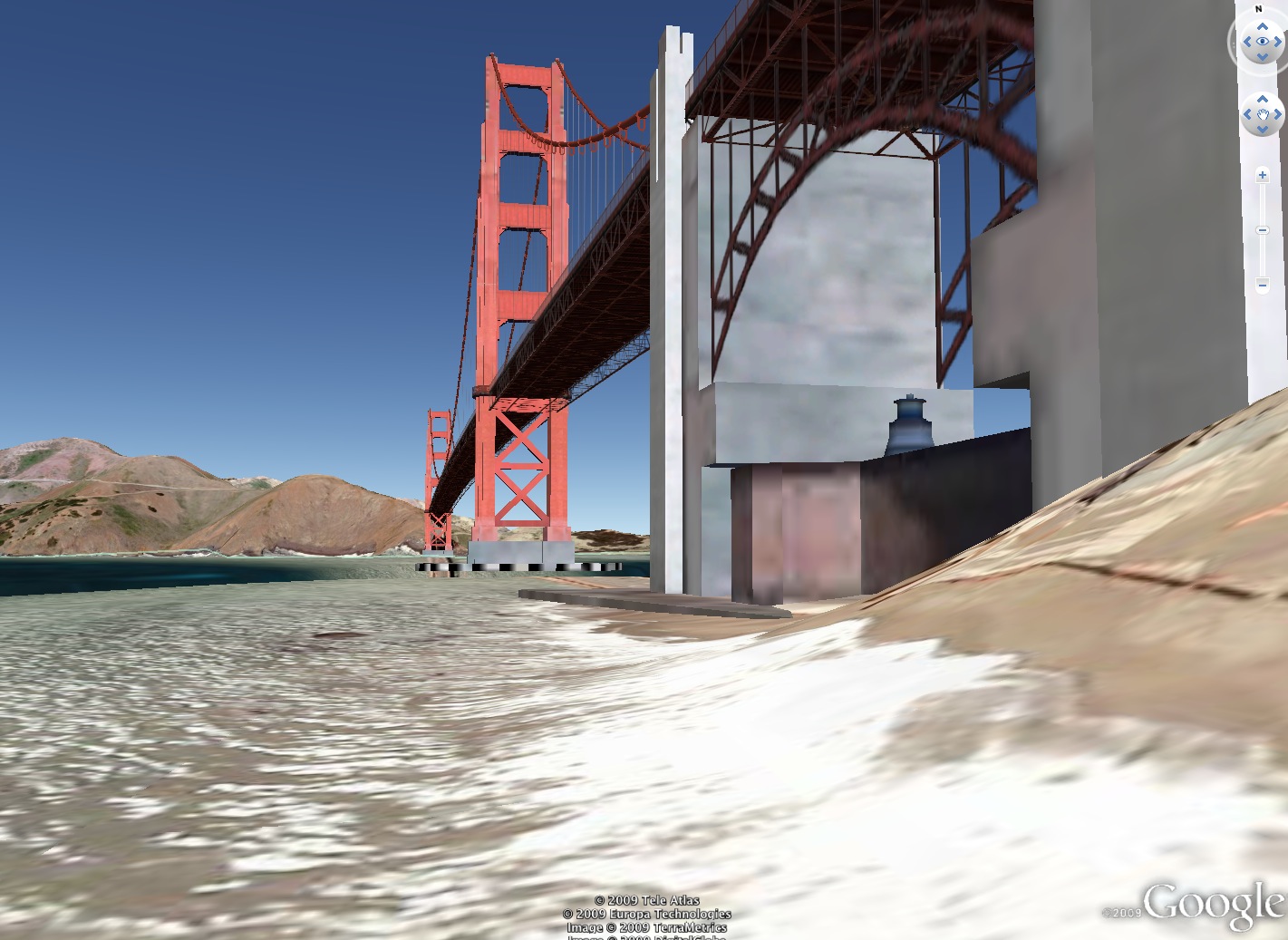
Golden Gate Bridge, San Francisco
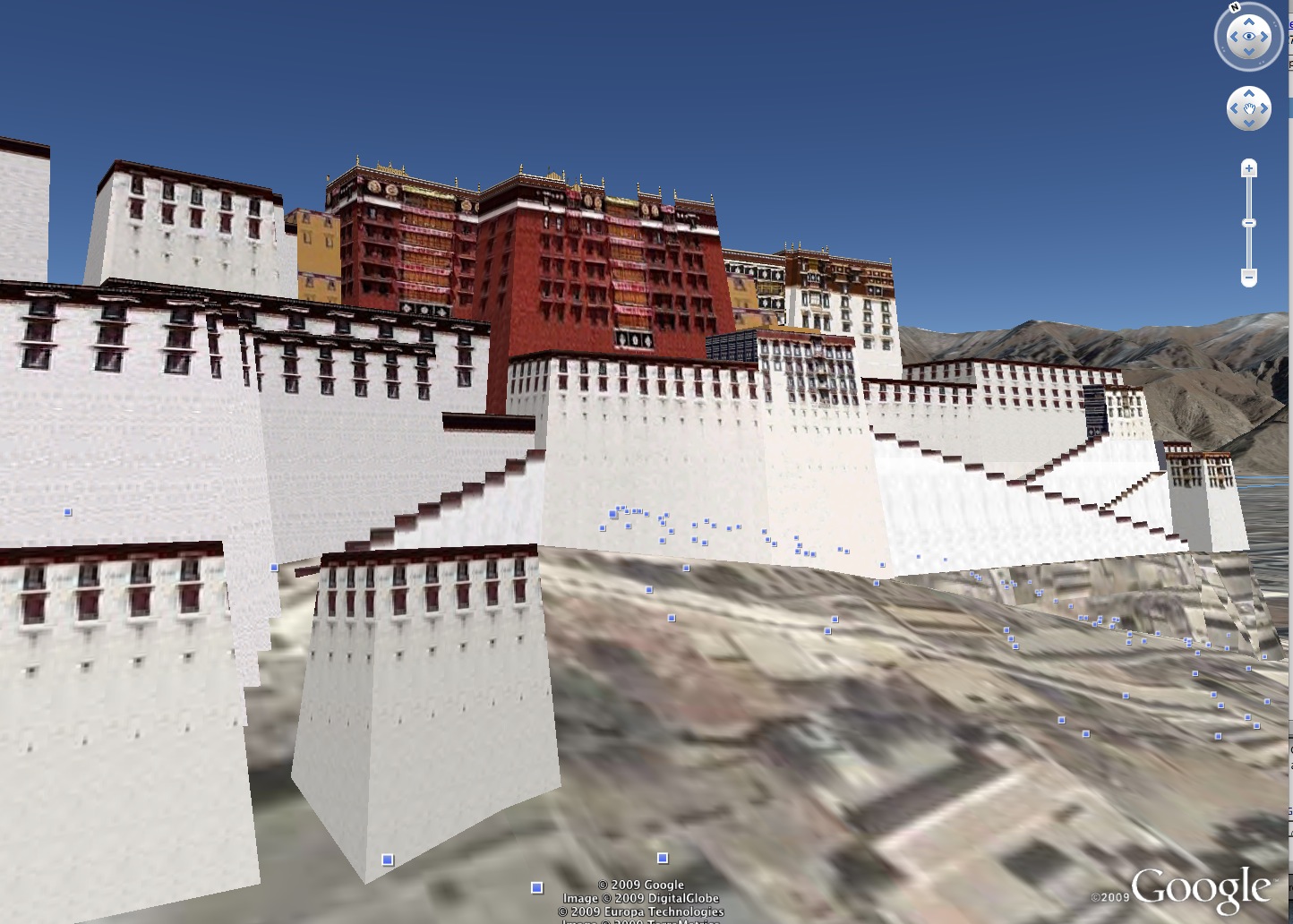
Potala, Lhasa, Tibet
Glacier near Petrov Lake in Kyrgyzstan

Ice-scoured rocks near Iglooik, Canadian Arctic
Download KML file
Fields in Volcanic crater in Canary Islands

Meteor Crater, Flagstaff, AZ
Download KML file
Abu Dhabi, UAE
Download KML file
Black Canyon of the Gunnison, Colorado
Download KML file
Reservoir Manicougan, Quebec
Download KML file From Wikipedia: Manicouagan Reservoir lies within the remnant of an ancient eroded impact crater (astrobleme). The crater was formed following the impact of a 5 kilometres (3 miles) diameter asteroid which excavated a crater originally about 100 km (62 mi) wide although erosion and deposition of sediments have since reduced the visible diameter to about 72 km (45 mi). It is the fifth largest impact crater known on earth.
April 4, 2009
Latest research on Autism: a new theory
Anecdotal evidence that autistic children improve when they have a fever was confirmed last year when the journal Pediatrics published a study documenting their positive behavioral changes. In November of 2008, scientists at Yeshiva University's Einstein College of Medicine published a theory that may explain these changes. They suggest that the brains of autistic people are structurally normal but disregulated, meaning that the symptoms of autism might be reversible.
Autism, fever, epigenetics and the locus coeruleus
They describe a case of epigenetic changes, in other words changes that happen to the fetus during gestation. The authors theorize that prenatal stresses on the mother during development cause disregulation of the locus coeruleus-noradrenergic (LC-NA) system. The LC-NA system is a pervasive neural system that can cause changes in the functioning of the neural networks involved in the core features of autistic disorders.
The importance of this theory lies in its promise for development of new therapies and diagnostic approaches to autism, as well as other neuropsychiatric disorders.